Why We Attach Emotions to Objects We Receive as Gifts
Have you ever kept an old greeting card, a handwritten note, or a small gift long after its practical value disappeared? Most people have at least one item that they cannot throw away because it reminds them of a person, a moment, or a special memory. While the object itself may not be expensive, the emotions attached to it make it priceless.
This emotional connection is one of the most fascinating aspects of gifting. When we receive a gift, we rarely see it as just another object. Instead, we associate it with the person who gave it, the occasion it celebrated, and the feelings it created. A simple keepsake can become a reminder of love, friendship, gratitude, or support. This is why gifts often carry emotional value that far exceeds their monetary worth.
As gifting continues to evolve, understanding why we form emotional attachments to gifts helps explain why personalized presents, memory keepsakes, and thoughtful gift hampers have become so popular in modern gifting culture.
Gifts Represent Relationships, Not Just Objects
One of the primary reasons people become emotionally attached to gifts is that gifts symbolize relationships. When someone gives us a present, they are communicating something beyond the physical item itself. The gift becomes a representation of their affection, appreciation, or care.
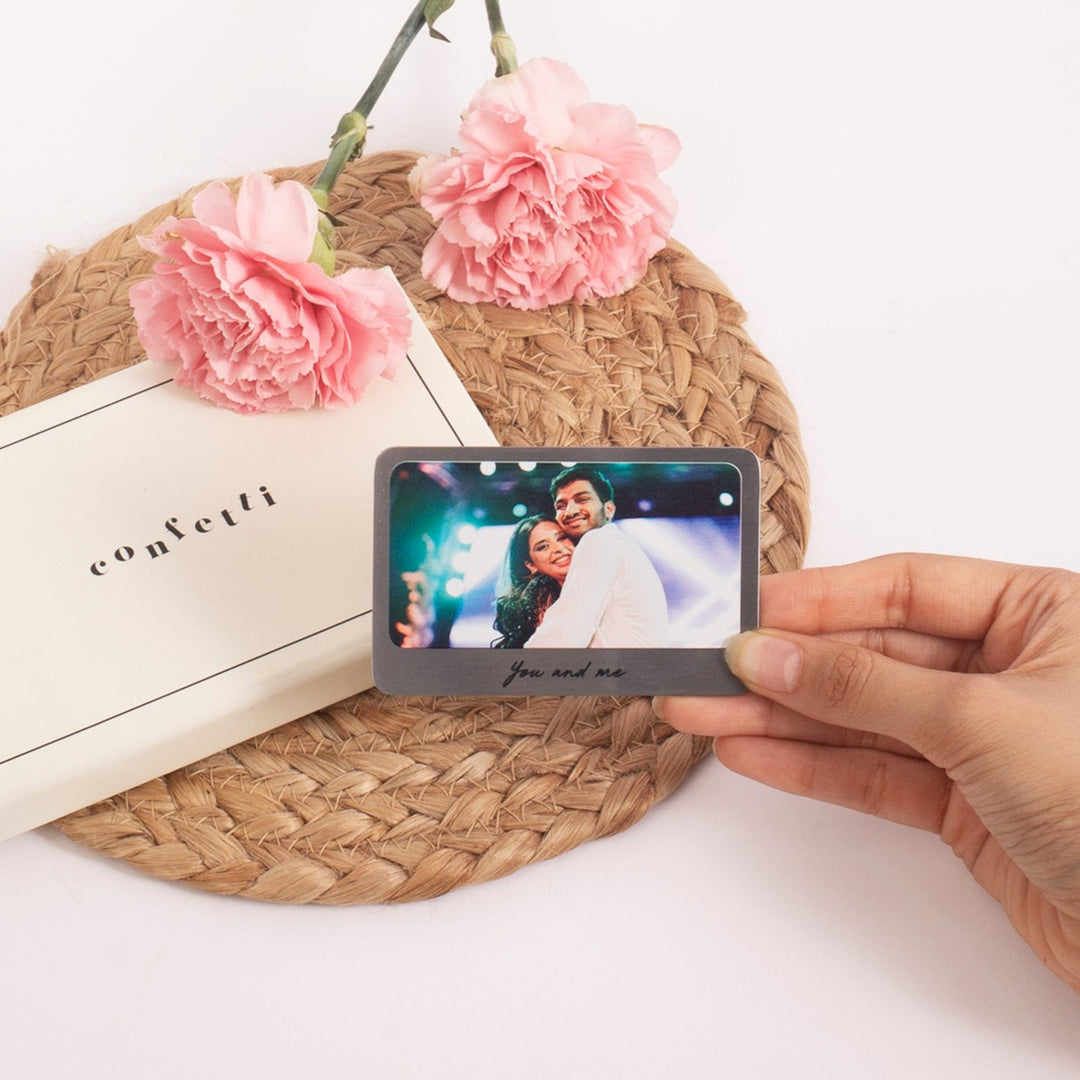
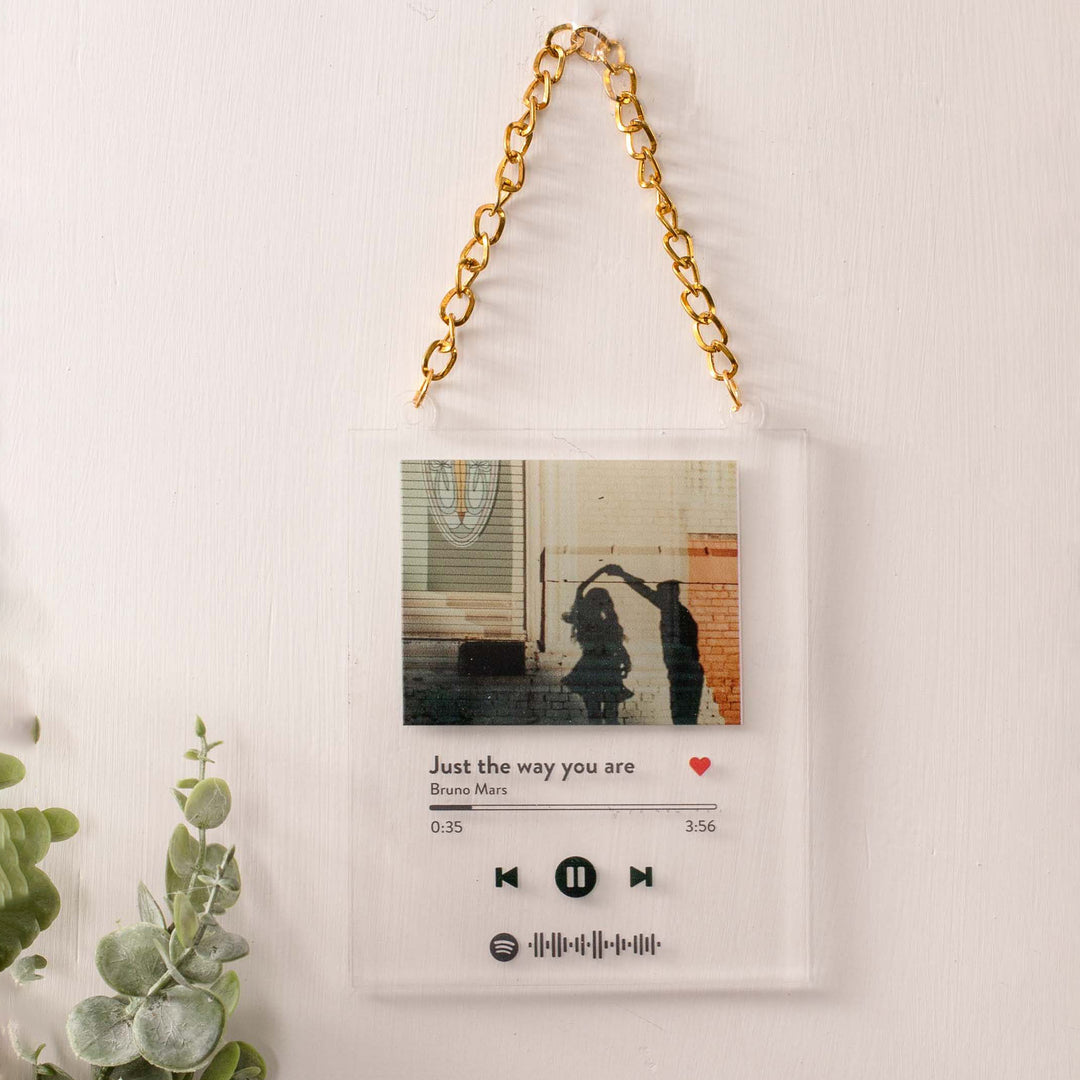
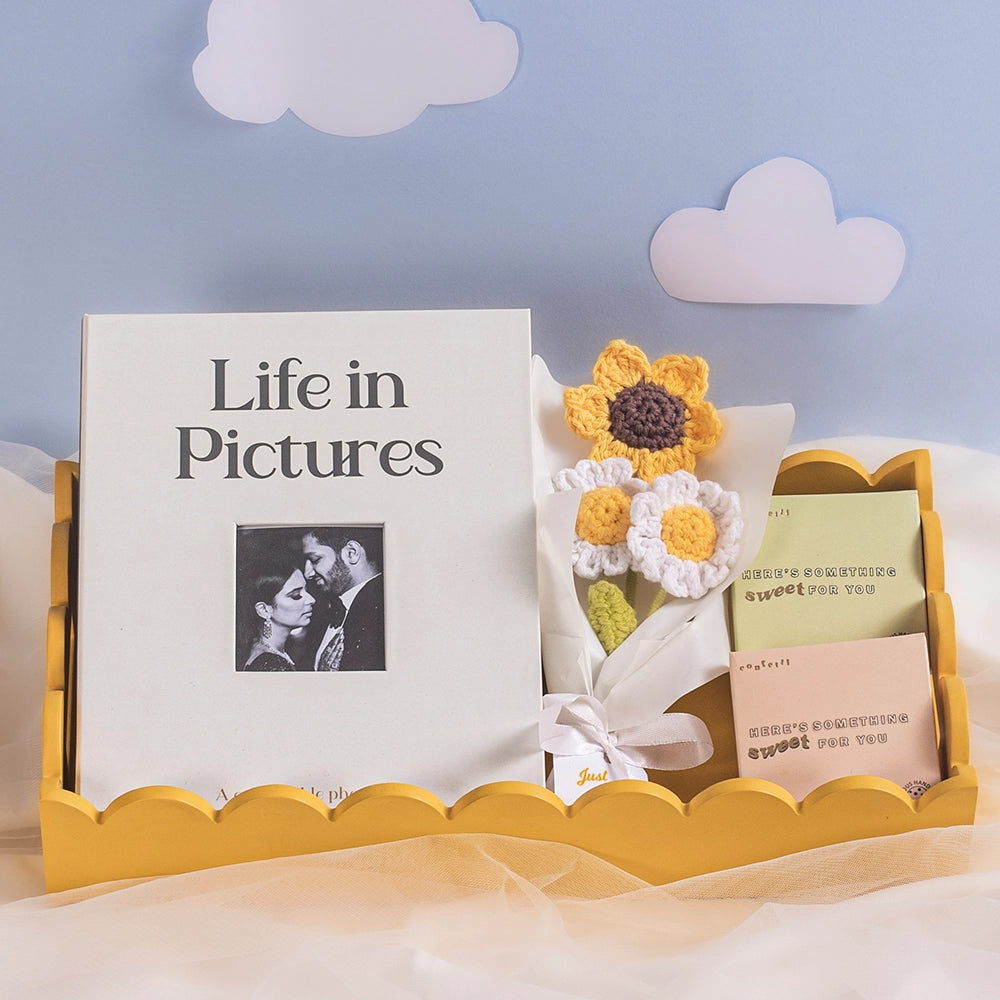
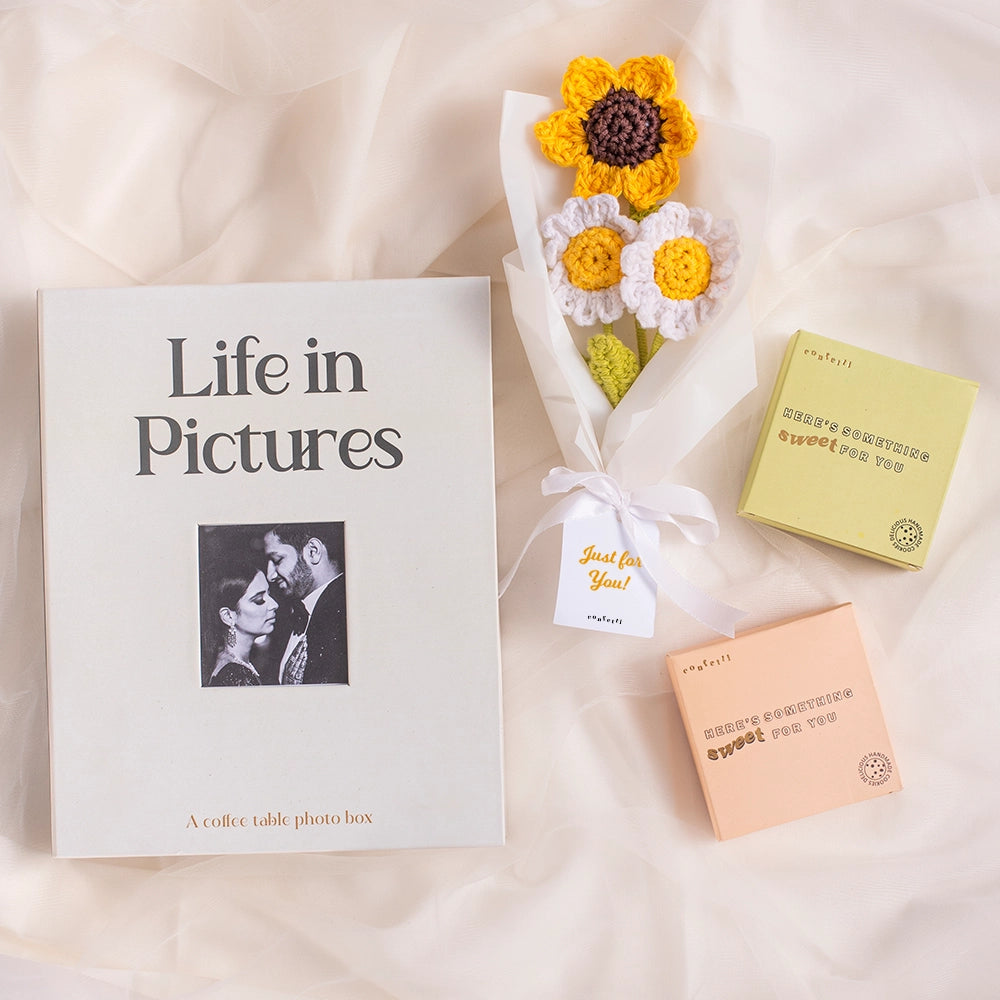
Every time we see that gift, we are reminded of the person behind it. A customized frame may remind someone of their partner, while a memory box may bring back thoughts of a close friendship. The object becomes a physical reminder of an emotional bond.
This explains why people often value gifts from loved ones more than expensive items purchased for themselves. The emotional significance attached to the relationship gives the gift its lasting value. This trend aligns closely with How Personalized Gifts Strengthen Relationships and The Future of Gifting Is Emotional, Not Expensive, where emotional connection becomes the true purpose of gifting.
Memories Give Gifts Their Lasting Value
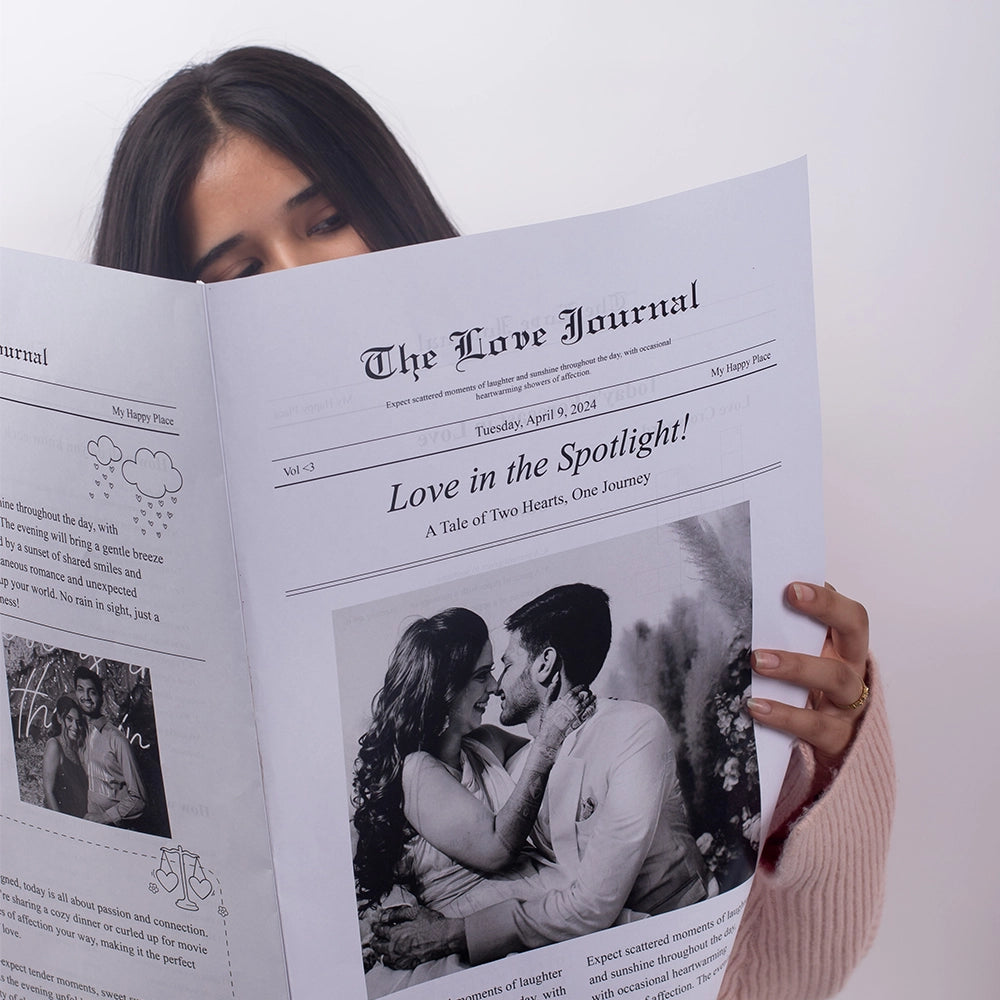
Many gifts become meaningful because they preserve memories. Whether it's a photograph, a handwritten message, or a keepsake from a special occasion, gifts often act as memory holders. They allow us to revisit important moments and emotions whenever we see them.
A photo frame from a memorable trip, a personalized plaque celebrating an anniversary, or a memory box filled with special moments can instantly transport someone back to a meaningful experience. This is why memory-based gifting continues to grow in popularity.
The trend connects naturally with The Rise of Memory-First Gifting and Memory Gift Ideas for Couples, where gifts are chosen specifically because they help preserve cherished moments and relationships.
Personalization Creates Stronger Emotional Connections
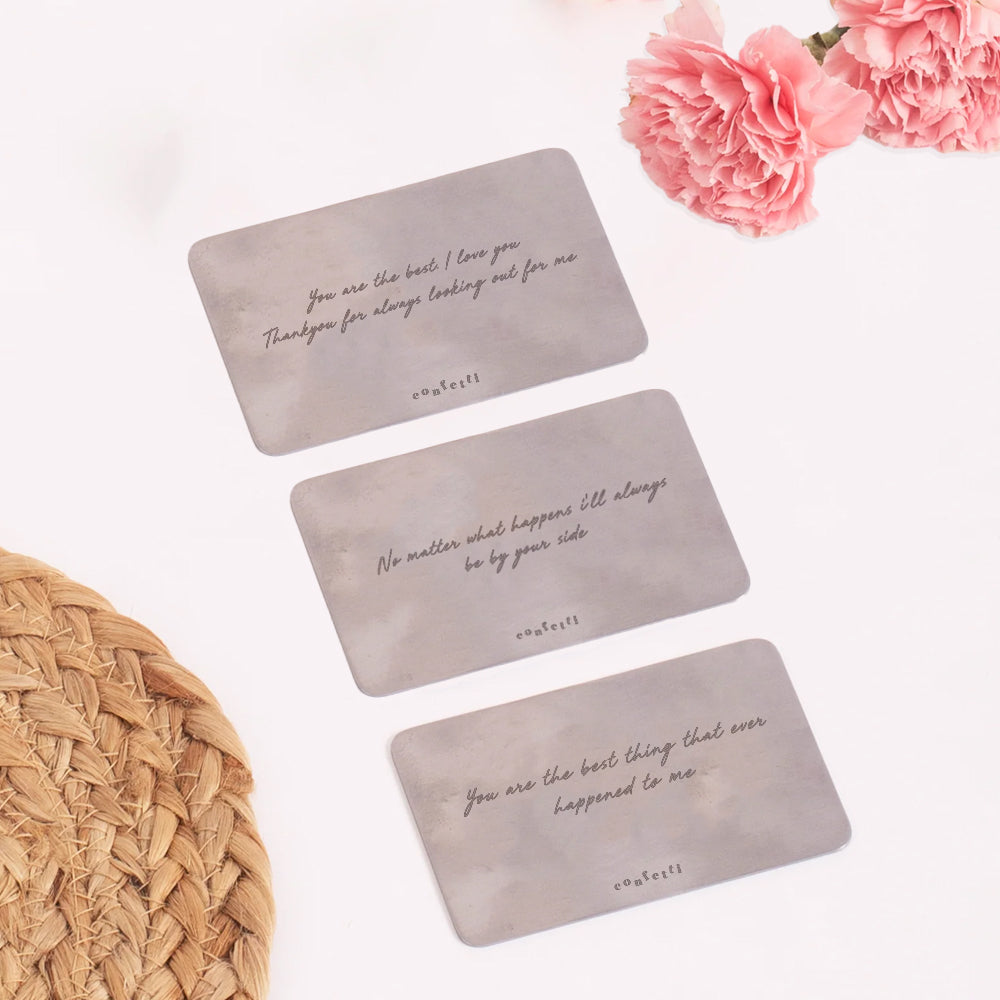
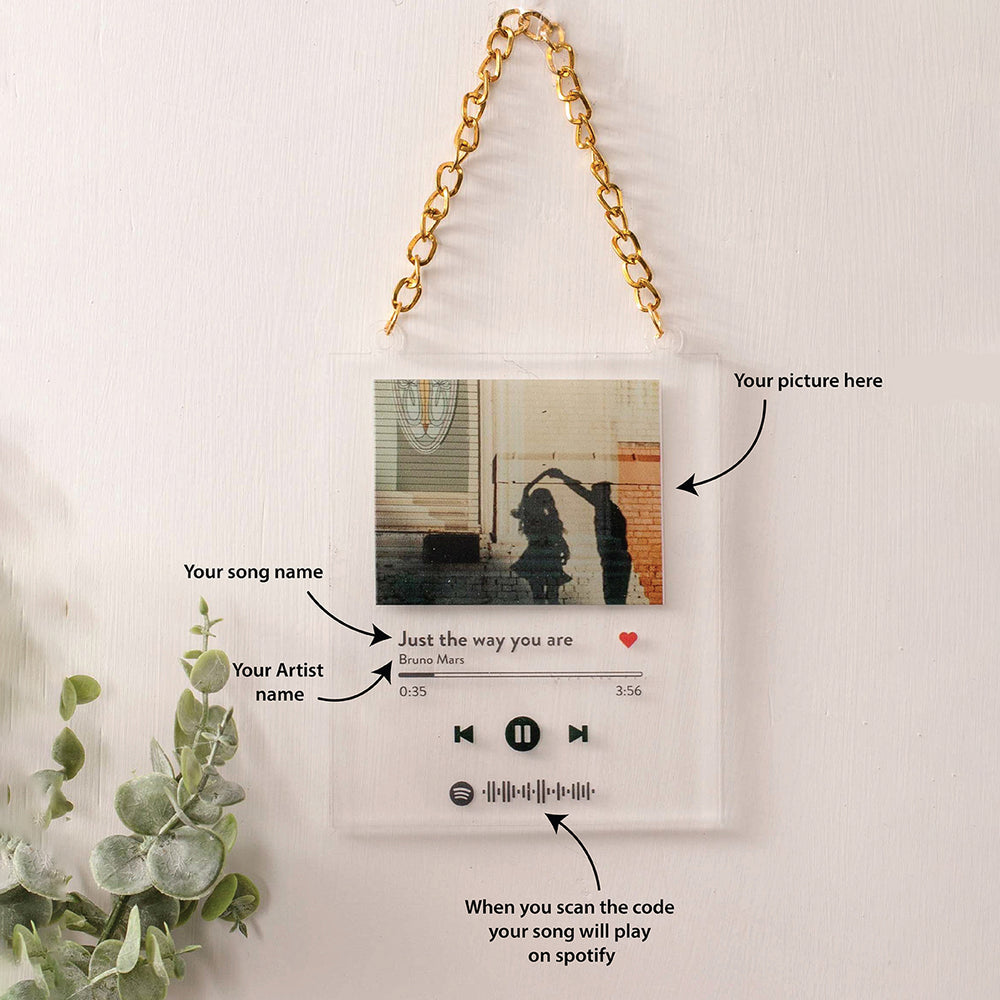
Personalized gifts feel more meaningful because they are created specifically for one person. Adding a name, photograph, special date, or heartfelt message transforms an ordinary product into something unique and personal.
Personalization demonstrates effort and thoughtfulness. It shows that the giver invested time in creating something meaningful rather than selecting a generic gift. This extra effort often strengthens the emotional impact of the gift and increases its sentimental value.
The growing demand for personalized gifting is reflected in blogs such as Most Popular Personalized Gifts Ordered Online, Most Searched Personalized Gifts Online, and Why Young Consumers Prefer Personalized Gifts. Consumers increasingly prefer gifts that feel personal because they create stronger emotional memories.
The Unboxing Experience Creates Emotional Impact
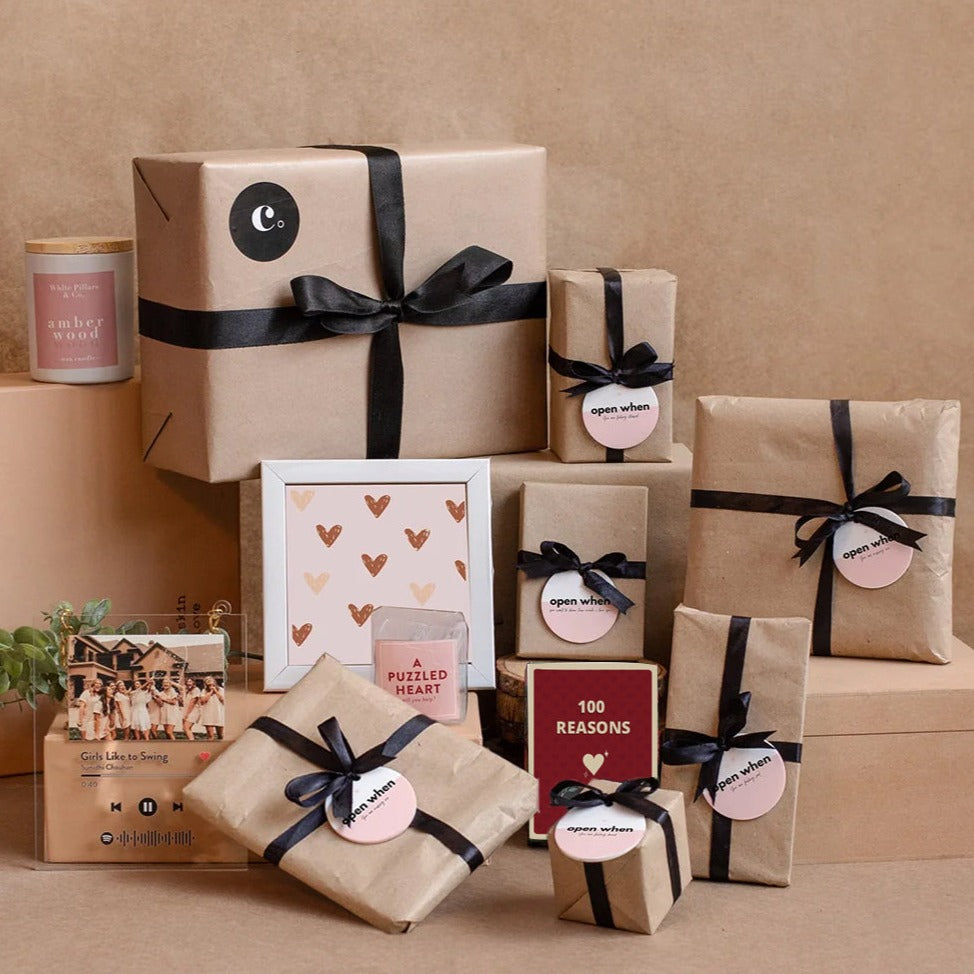
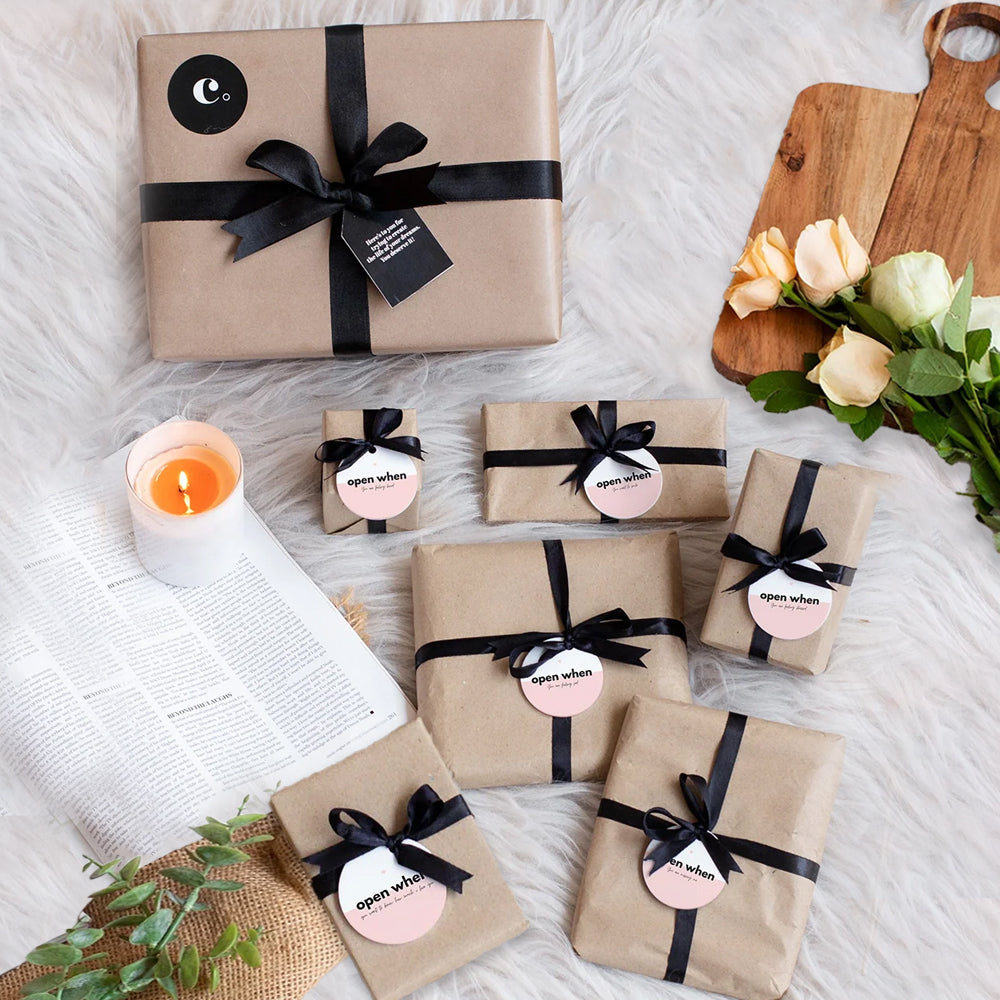
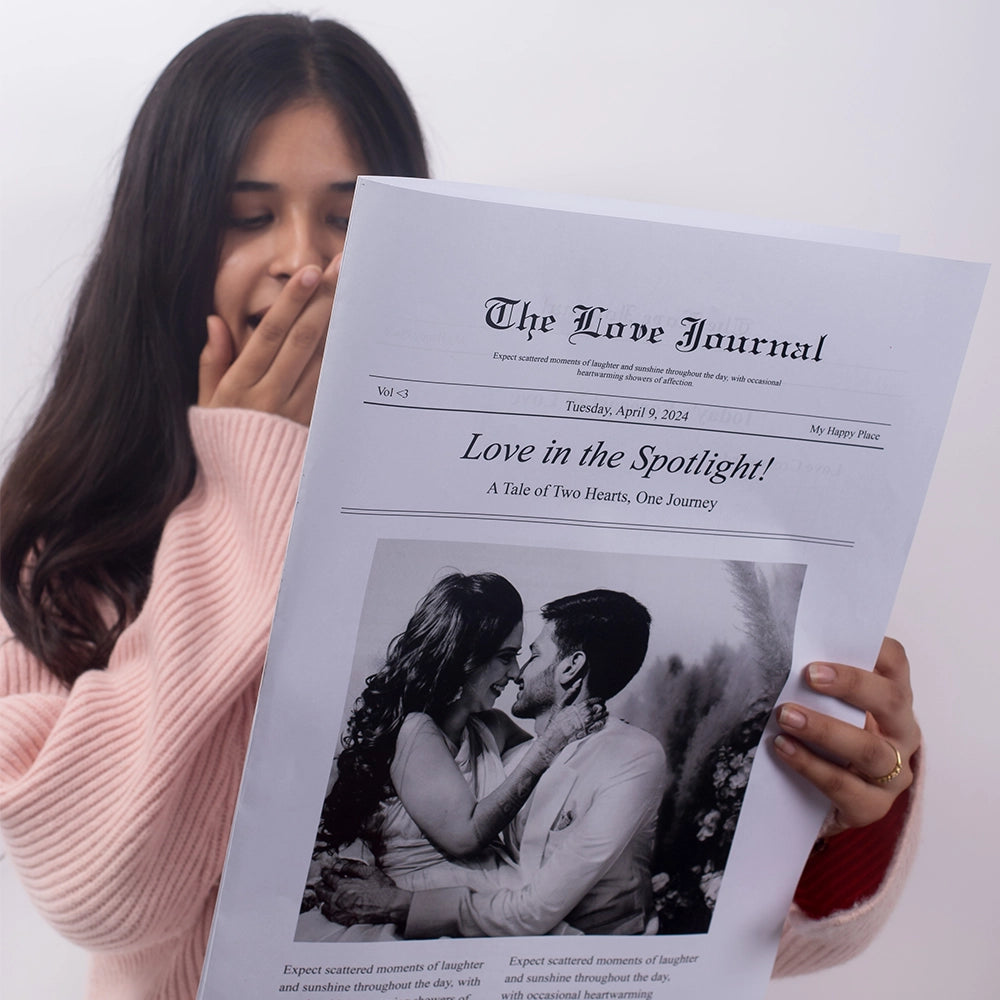
Our emotional connection to gifts often begins before we even see the gift itself. The anticipation of opening a beautifully packaged hamper or discovering thoughtful surprises inside creates excitement and positive emotions.
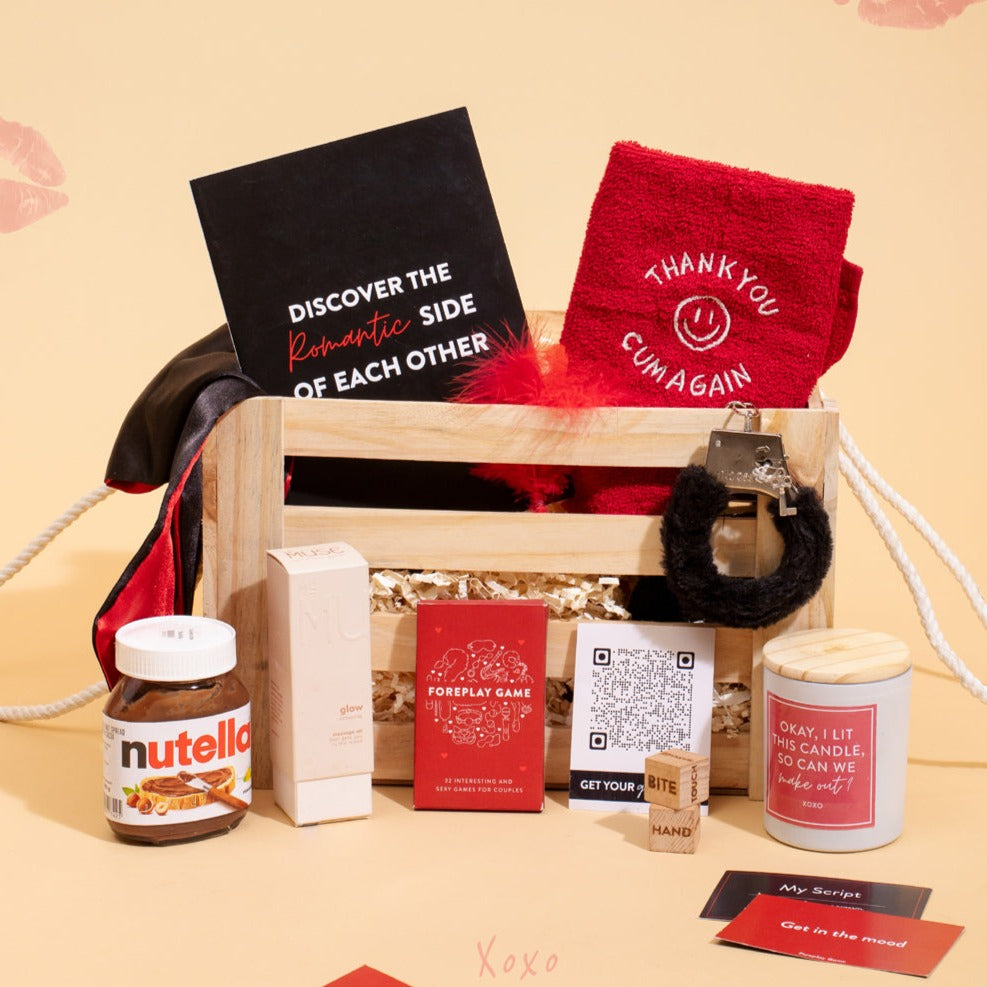
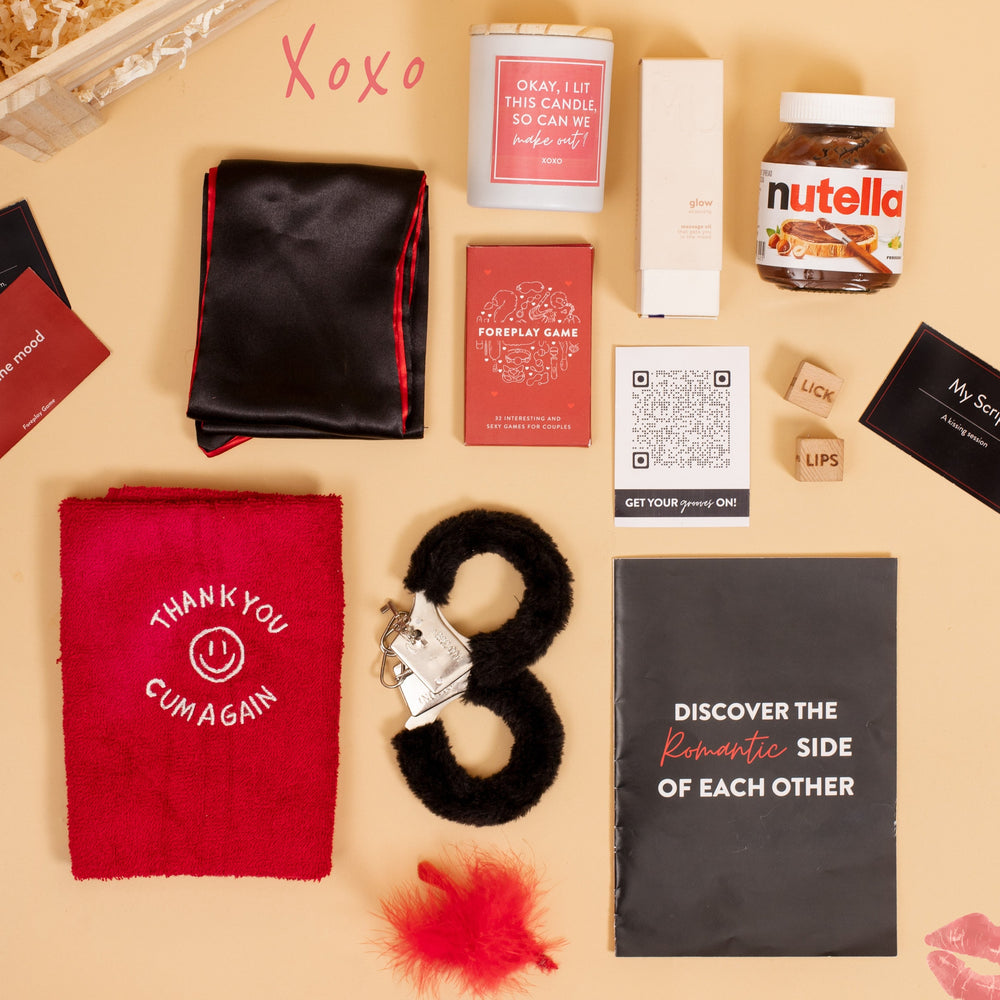
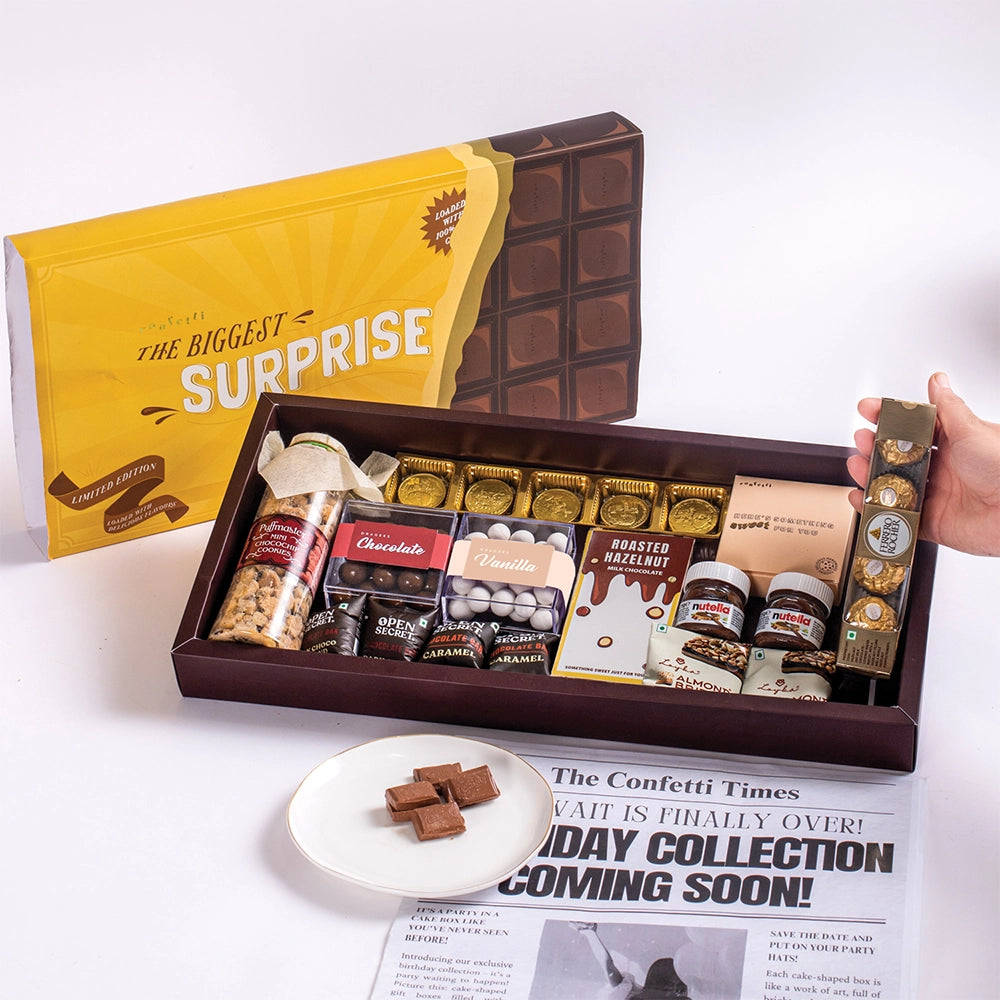
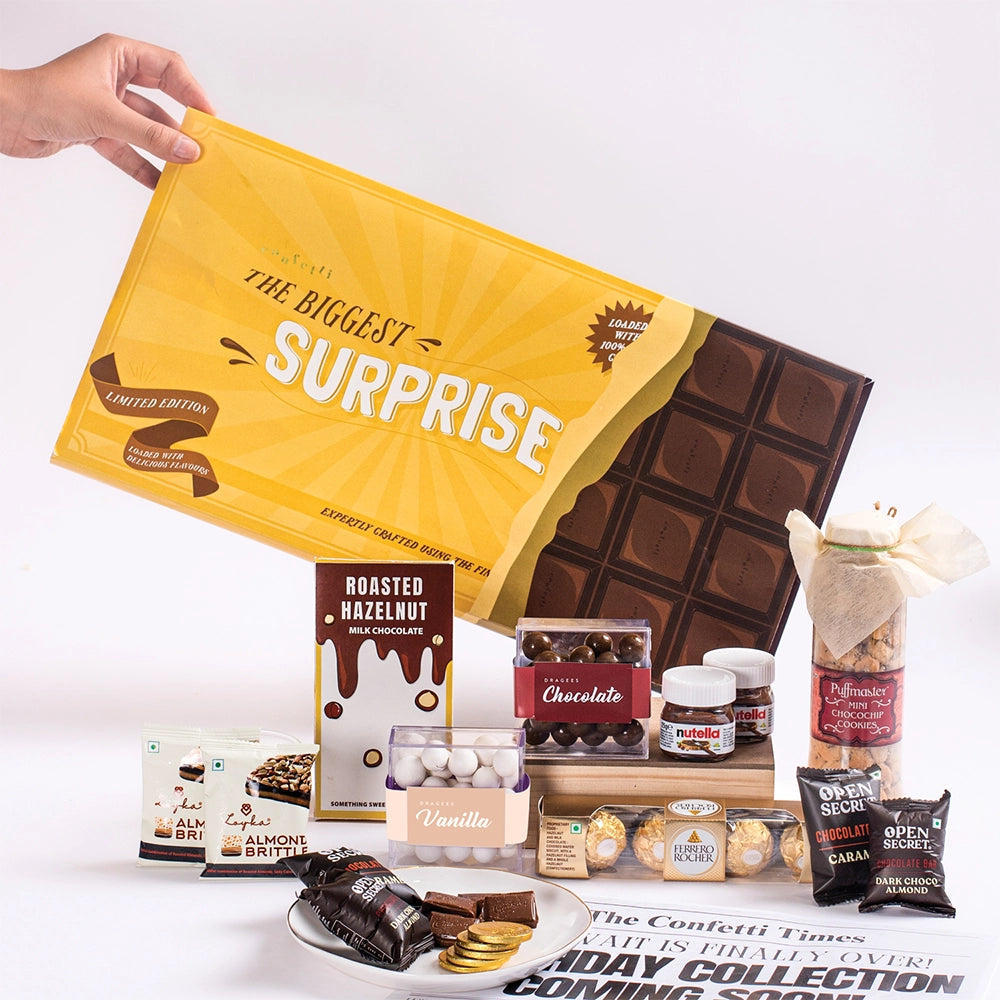
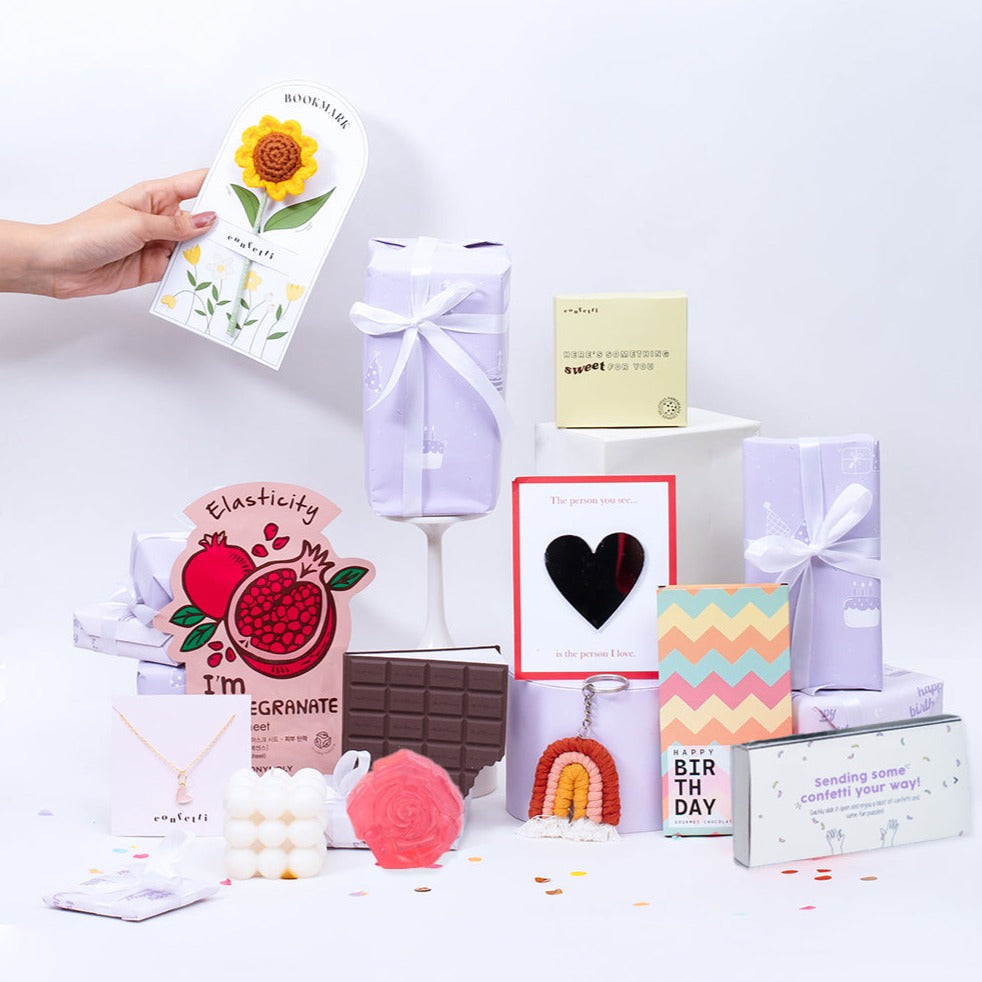
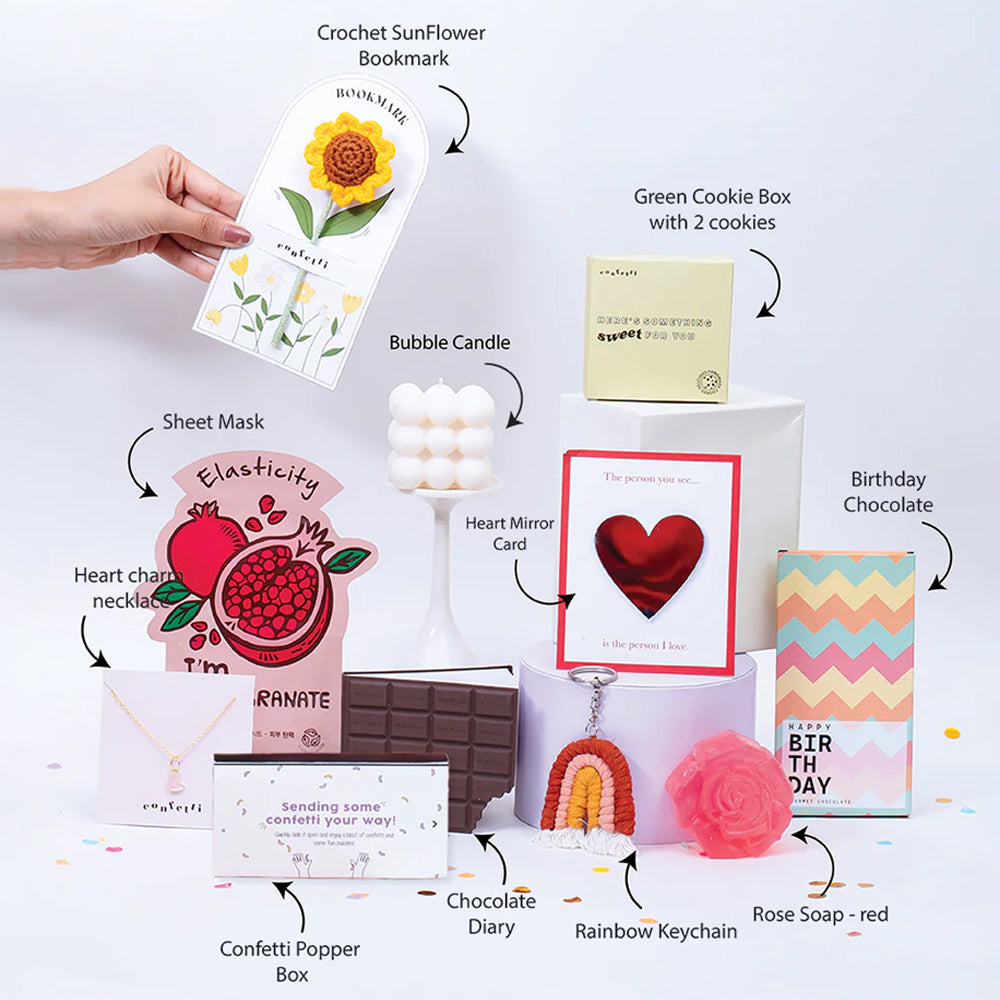
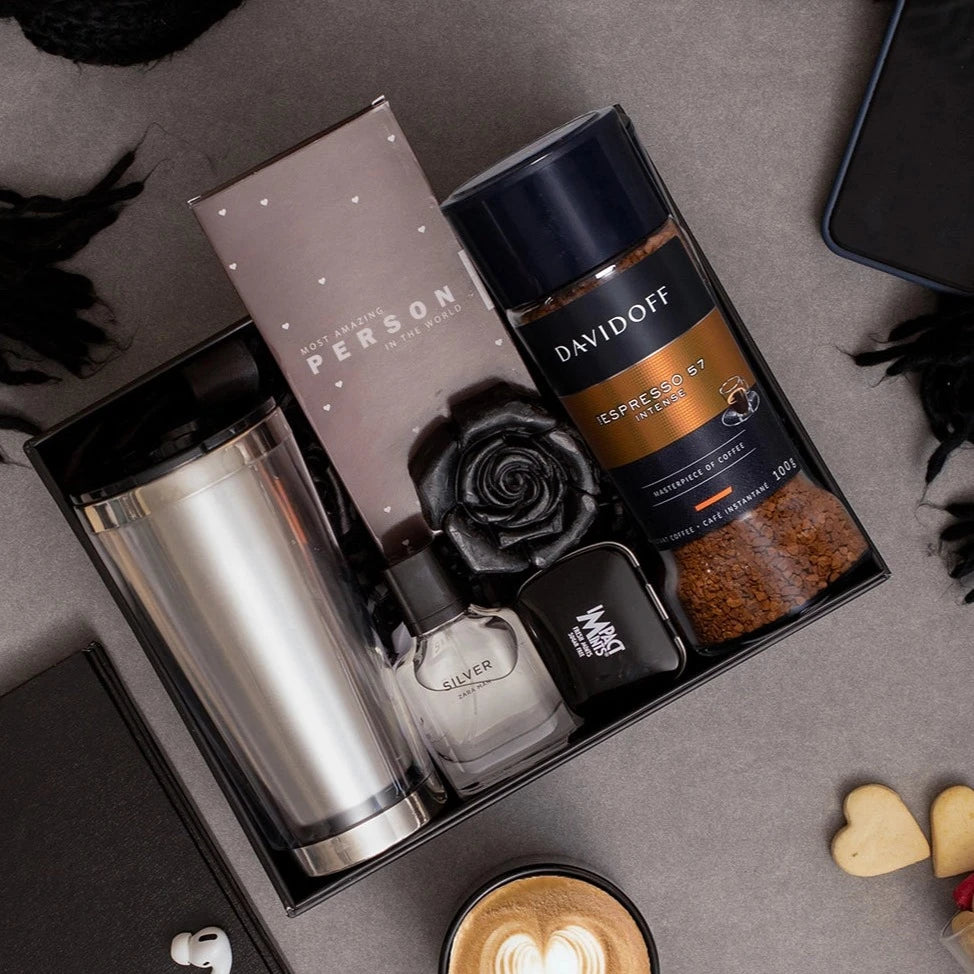
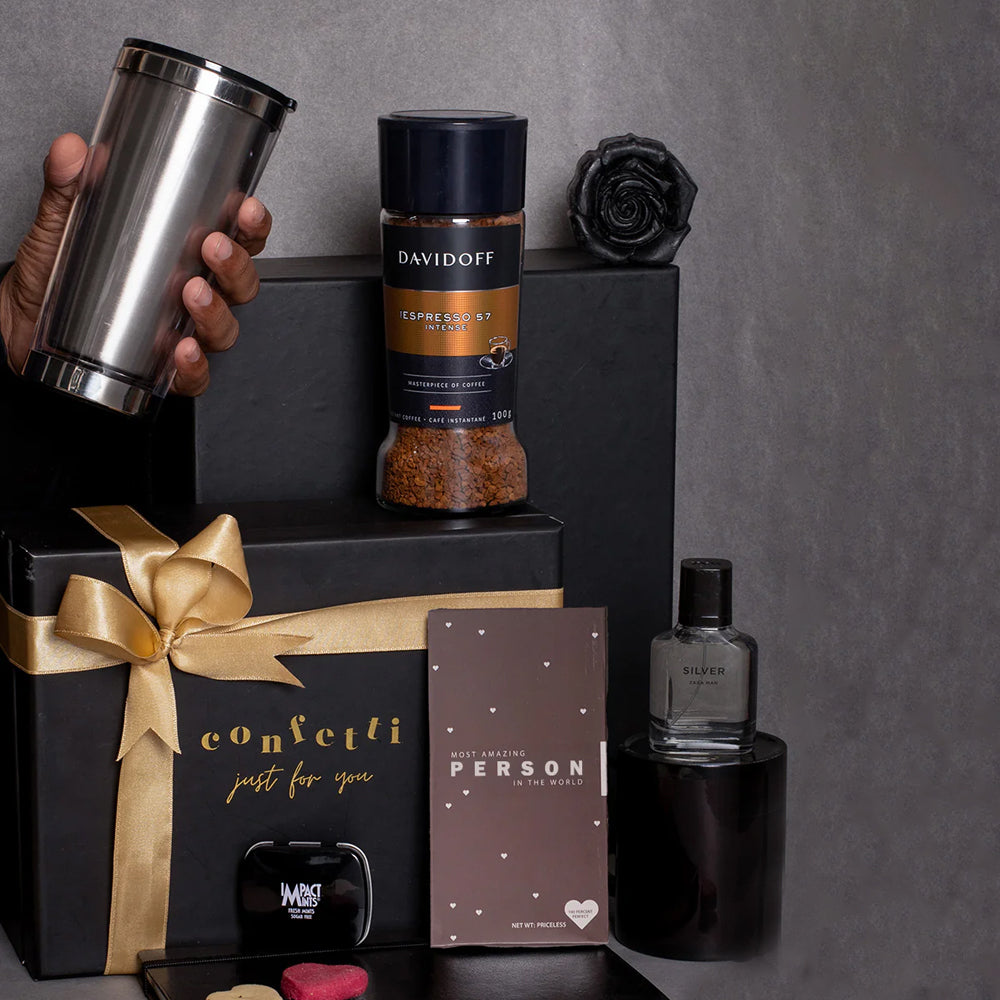
A well-curated gift hamper is more than a collection of products. It is an experience. Every item inside contributes to a larger story, making the recipient feel valued and appreciated. This emotional journey strengthens the connection people feel toward the gift.
This growing preference for thoughtful presentation aligns closely with Gift Hampers That Tell a Story: From Product to Emotion and Why Packaging Matters More Than the Gift Price, where presentation becomes an important part of the gifting experience.
Emotional Gifts Stay With Us Longer
Most people cannot remember every product they have purchased, but they often remember meaningful gifts for years. This happens because emotions help strengthen memory. When a gift creates happiness, surprise, gratitude, or nostalgia, those emotions become connected to the object itself.
As a result, even small gifts can carry enormous sentimental value. A handwritten message may be treasured more than an expensive gadget because of the feelings attached to it. This is one of the reasons why emotional gifting continues to grow as a trend.
The rise of topics such as Why Happiness Is Becoming a Gifting Category and Gifts That Feel Like Experiences, Not Products highlights how consumers increasingly value emotional impact over material value.
Why Emotional Gifting Is the Future
Modern consumers are moving away from transactional gifting and embracing gifts that create meaningful experiences. They want gifts that celebrate relationships, preserve memories, and make people feel genuinely appreciated. This shift is changing the way brands approach gifting and why personalized products, memory keepsakes, and curated hampers continue to gain popularity.
The future of gifting is not about finding the most expensive product. It is about creating moments that matter. Gifts that tell stories, evoke memories, and strengthen emotional connections will always hold greater value than gifts chosen purely for convenience.
Final Thoughts
We attach emotions to gifts because they represent far more than physical objects. They symbolize relationships, preserve memories, and remind us of meaningful moments in our lives. Whether it is a personalized keepsake, a memory-filled hamper, or a thoughtful surprise, the emotional significance of a gift often becomes its most valuable feature.
As consumers increasingly seek meaningful experiences, emotional gifting will continue to shape the future of the industry. The most memorable gifts are not necessarily the most expensive ones, they are the ones that make us feel connected, appreciated, and remembered.
Frequently Asked Questions
-
Why do people become emotionally attached to gifts?
People associate gifts with relationships, memories, and meaningful experiences, which creates emotional value beyond the object itself.
-
Why are personalized gifts more meaningful?
Personalized gifts feel unique because they are designed specifically for the recipient and often celebrate personal memories.
-
How do gifts help preserve memories?
Photo gifts, keepsakes, and memory boxes act as reminders of important moments and relationships.
-
Why do gift hampers create stronger emotional experiences?
Gift hampers combine thoughtful presentation, surprise, and personalization, making the gifting experience more memorable.
-
Is emotional gifting becoming more popular?
Yes. Modern consumers increasingly prefer gifts that create emotional connections and meaningful experiences rather than focusing solely on material value.